The History of Foundation
From lead-white paint and rice powder to mineral pigments and shade ranges, the long search for a believable skin tone.
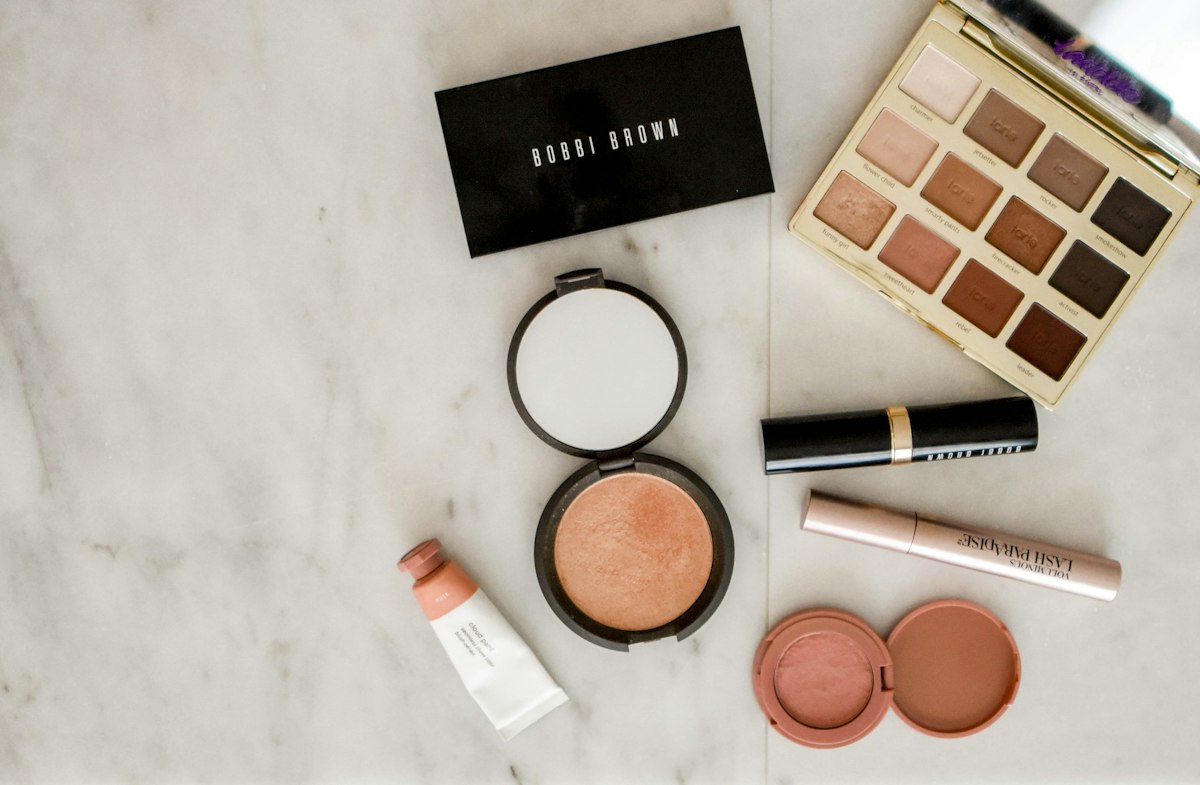
The first foundations were dangerous. In Renaissance Europe, a pale complexion was a mark of rank, and women achieved it with a paint made from lead and vinegar. It covered well. It also poisoned the wearer over time, staining the gums and damaging the skin it was meant to perfect. Alongside it sat a milder option: rice powder, dusted on to take the shine off. One was a status symbol with a cost, the other a practical fix.
Foundation has always balanced the same two demands. It needs to cover something, and it needs to look like skin. The history of the product is the history of getting those two things closer together.
Paint, powder and the pale ideal
For centuries, the goal was not to match the skin but to replace it. European aristocratic beauty prized an artificial whiteness, and the recipes for it were handed down in household books. Lead-white was the most notorious, but there were others: powdered starch, ground alabaster, and washes made from various minerals. Some were simply ineffective; others were actively harmful.
The problem was visible. Paint sat on the surface and cracked around the mouth. Portrait painters of the seventeenth and eighteenth centuries worked hard to make it look natural, which is a fair measure of how often it did not. Powder was easier to manage and became the everyday choice for much of this period. Women used it on the face, the neck and the shoulders.
The nineteenth century softened the ideal. A healthy, lightly flushed complexion began to compete with the painted look, and the heavy white formulas fell out of fashion. What took their place was a lighter dusting of powder, often tinted, applied over a bare or lightly moisturized face.
The twentieth century builds a product
Modern foundation grew out of two separate things: theatrical greasepaint and skin care. Actors needed a base that would read under strong lighting and cover the face evenly. Dermatologists and pharmacists were making creams that could be tinted and worn without the harshness of the old paints.
In the 1930s, a makeup artist named Max Factor mixing products for Hollywood released a base that combined the two traditions. It was light enough for everyday wear and could be applied in thin layers. Around the same time, Elizabeth Arden and Helena Rubinstein were selling tinted creams that blurred the line between a treatment and a cosmetic.
The big shift came in the middle of the century with the arrival of silicone and better emulsions. A foundation could now be a liquid that spread thinly, dried to a soft finish and stayed put for hours. The 1950s and 1960s established the formats that are still sold: liquid in a bottle, cream in a jar, and cake foundation that came in a compact and was applied with a damp sponge.
Shade ranges and who they were for
For most of that history, shade options were narrow. A single “flesh” tone was treated as universal, and it was usually light. Women with darker skin had almost nothing that matched, and resorted to mixing products or using powders that sat grey on the face.
That began to change in the late twentieth century. The civil rights movement and the growth of a Black middle-class market pushed companies to make products for a wider range of skin tones. In 1994, MAC Cosmetics launched a foundation line built around an extensive set of shades, and other brands followed. The change was commercial as much as anything else, but its effect was real: a foundation could finally be chosen to match a face rather than to signal membership of an ideal.
The industry still has work here. Matching a shade is harder than it looks. Skin changes with light, with seasons and with the state of the barrier underneath. Undertones matter as much as depth, and a foundation that is technically the right colour can still look wrong if its undertone fights the skin. Brands that offer twenty shades are doing more than those that offer four, but no range covers every face.
What is actually in it
Foundation is a mix of pigment, oil and water held together by an emulsifier. The pigment is usually iron oxides for the earth tones and titanium dioxide for opacity and lightness. Silicones such as dimethicone give the smooth, blurred finish that people associate with a good foundation. They fill fine lines temporarily and let the product spread without dragging.
Coverage depends on how much pigment is in the formula and how it is suspended. A sheer tint has a low pigment load. A full-coverage foundation has more, often with a higher wax or silicone content so it stays where it is put. The finish, from matte to dewy, is controlled by the balance of oils and powders and by how the product dries.
The 2010s brought a wave of “skin tint” products: thin, sheer formulas that covered less and claimed to let the skin show through. At much the same time, mineral foundations made a comeback, using powdered pigments without the liquids and silicones of conventional formulas. Both sat on a longer trend toward lighter coverage, driven partly by the popularity of “no-makeup makeup” and partly by simpler routines.
Applying the thing
Most complaints about foundation come from application rather than the formula. A product that looks cakey is usually too much product, applied too quickly, over skin that has not been prepared. The base matters. Moisturiser, a little time to absorb, and a primer if you need one will change how the foundation sits.
Fingers, brushes and sponges each do something different. Fingers warm the product and give a sheer, natural result. A flat brush gives more coverage and a smoother finish. A damp sponge sheers the product out and presses it into the skin, which is why it is favoured for a light, skin-like result. Starting in the centre of the face and working outward avoids the heavy mask line at the jaw.
Foundation and the skin underneath
Foundation is asked to do a job that its formula cannot do alone. It looks best on skin that is hydrated and reasonably smooth, and it looks worst on skin that is dry, flaky or irritated. This is why a single foundation can look excellent on one day and terrible on another. The product has not changed; the surface beneath it has.
Moisturiser is the simplest preparation and the one most often skipped. A light layer, given a few minutes to absorb, softens the skin and stops the foundation from settling into fine lines. The amount matters as much as the product: too little does nothing, and too much leaves a surface that the foundation slides across. A pea-sized amount for the face is usually enough, and the neck can take what is left on the fingertips. A primer adds another step. Silicone-based primers fill texture and create a smooth surface for the product to sit on, while hydrating primers add moisture. Neither is essential for everyone, and a primer is best treated as a solution to a specific problem rather than a compulsory part of a routine.
Skin preparation also affects how long foundation lasts. Oily skin breaks down foundation faster because sebum works against the film. A mattifying primer and a setting powder help, as does blotting during the day rather than adding more product. Dry skin has the opposite problem: foundation clings to flakes and emphasizes texture. A hydrating base and a light hand with powder work better than a heavier formula.
The relationship between foundation and skin care has produced a category of products that sit between the two. Tinted moisturisers, bb creams and skin tints all promise some coverage along with the benefits of a treatment. They generally contain less pigment than a traditional foundation and a higher proportion of water and emollients. For someone who wants a small amount of evening out rather than a full cover, they are often enough.
Sunscreen adds another layer to the routine, and the order matters. A chemical sunscreen needs to sit on the skin to work, so it goes on before makeup. A physical sunscreen with zinc oxide or titanium dioxide can leave a white cast that changes the apparent shade of the foundation. Letting the sunscreen settle before applying foundation reduces both the pilling and the colour shift.
Removing foundation at the end of the day is as important as applying it well. A product designed to stay on through sweat and sebum will not come off with water alone. A cleansing oil or balm breaks down the pigments and silicones first, and a gentle cleanser afterwards clears what remains. Skipping this step over time can leave the skin clogged and dull, which is the opposite of what the foundation was meant to achieve.
The search for a foundation that looks like skin has never really ended. Each generation gets a little better at it: the pigments are finer, the textures lighter, the shades more numerous. The lead-white painters would have found the whole idea strange. They wanted to cover the skin completely and make it something else. The modern aim is more modest and harder to achieve.