Niacinamide
A form of vitamin B3 that calms inflammation, strengthens the barrier and helps with oil and pigmentation.
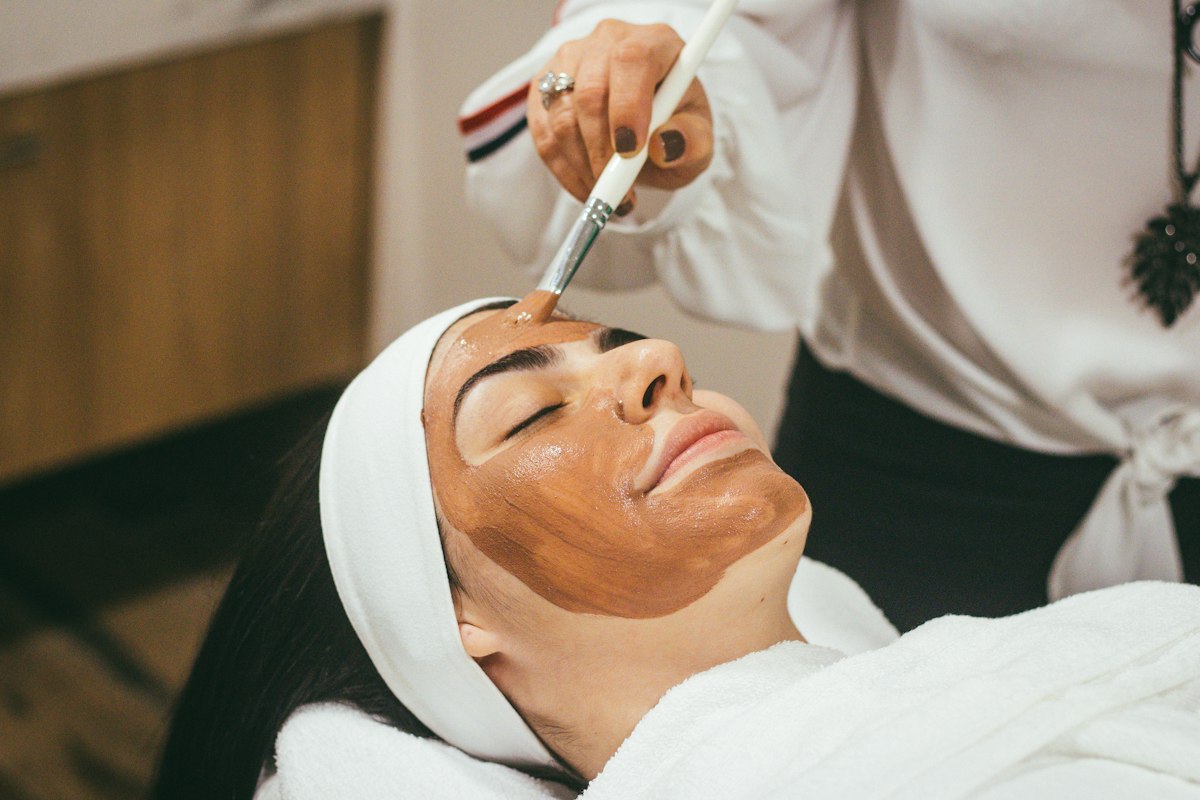
Niacinamide is one of the most useful ingredients in skincare and one of the easiest to overlook. It does not have the dramatic reputation of retinol or the glossy scientific story of vitamin C. What it does instead is a little bit of everything: it calms inflammation, supports the skin barrier, helps with oil production and improves uneven tone.
That breadth is the reason it appears in so many products. It is also the reason it is sometimes underestimated. A ingredient that does several things moderately well can be more valuable in a routine than one that does a single thing dramatically.
What it is
Niacinamide is a form of vitamin B3. It is also called nicotinamide, and it is the amide form of nicotinic acid. The two are related but behave differently: nicotinic acid can cause a flushing reaction, while niacinamide does not. That difference matters in skincare, where the gentler form is used.
Vitamin B3 was identified in the early twentieth century through work on pellagra, a disease caused by a deficiency of the vitamin. The body needs it to make two coenzymes involved in energy production, and it is found in a wide range of foods. In the skin, niacinamide is involved in the production of lipids that form part of the barrier.
Unlike some active ingredients, niacinamide is stable in water and does not require special packaging or a low pH. It is also well tolerated by most skin types. These practical properties have helped it become one of the most widely used ingredients in modern formulations.
What it does
Niacinamide’s best-supported effect is on the skin barrier. It increases the production of ceramides, the lipids that hold skin cells together and keep water in. A stronger barrier means less water loss, better hydration and less sensitivity to outside irritants. For skin that is dry or reactive, this is a meaningful benefit.
It also has an anti-inflammatory effect. Studies have shown that it can reduce the redness and discomfort associated with acne and with sensitive skin. This is why it appears in products aimed at both acne and rosacea, though it is not a treatment for either condition on its own.
A third effect is on sebum. Niacinamide can reduce the amount of oil the skin produces, which makes it useful for oily skin and for large pores. The effect is modest and builds over time; it is not the instant drying that a mattifying powder provides.
Finally, it helps with pigmentation. Niacinamide does not block the production of melanin in the way that some brightening ingredients do. Instead, it reduces the transfer of pigment to skin cells, which can soften the appearance of dark spots and uneven tone over several weeks.
The evidence
The evidence for niacinamide is better than its quiet reputation suggests. Studies have found improvements in barrier function, in hydration, in the appearance of pores and in pigmentation, usually at concentrations of between two and five percent. Higher concentrations have been used for oil control, with results that vary.
One well-known study compared niacinamide with a placebo in women with signs of ageing and found improvements in fine lines, in elasticity and in pigmentation after several weeks. Other studies have focused on its effect in acne, where it appears to work best as a support to other treatments rather than as the main ingredient.
The ingredient is gentle enough that it can be used daily over long periods, which is one of the reasons the results tend to be good. An ingredient that can be used consistently will often outperform a stronger one that causes irritation and is abandoned.
Concentration
Niacinamide is effective at relatively low levels. Concentrations of two to five percent are enough for most of its benefits, and many products sit in that range. Some products use ten percent or more, mainly for oil control, and a few go higher.
More is not always better. At high concentrations, niacinamide can cause irritation, and a product with a very high number on the label may be less comfortable than a well-formulated five percent serum. A person new to the ingredient is better served by a moderate concentration used consistently than by a strong one used sporadically.
The pH of a niacinamide product is usually close to neutral, which makes it easy to combine with other ingredients. It does not need the acidic environment that vitamin C requires, and it is stable in a wide range of formulations.
How to use it
Niacinamide is easy to add to a routine. It can be used morning or night, and it layers under moisturisers and sunscreen without difficulty. It is often applied after cleansing, while the skin is still slightly damp, and followed by a moisturiser.
One of its advantages is its compatibility with other active ingredients. It can be used alongside retinol, with exfoliating acids and with vitamin C, and it is often included in products that contain those ingredients to reduce irritation. The old claim that niacinamide and vitamin C cannot be used together has little basis, since the reaction that people worry about occurs at high heat in a laboratory, not on the skin.
A person with sensitive skin can start with a lower concentration and use it every other day, building up as tolerated. Most people find it comfortable from the first application.
Side effects and cautions
Niacinamide is well tolerated by most people. Mild stinging or redness can occur, usually with high concentrations or with a formula that also contains other active ingredients. The gentler derivatives used in some products reduce this risk.
A flushing reaction is sometimes attributed to niacinamide, but this is more commonly caused by nicotinic acid, the related form of vitamin B3. True reactions to niacinamide are rare, and the ingredient is considered safe for use during pregnancy.
It is worth noting that niacinamide is not a cure for acne or for pigmentation. It supports the skin and improves the appearance of both problems, but a person with persistent acne or significant dark spots will usually need a broader routine.
Common misconceptions
One misconception is that niacinamide is only for oily skin. It is true that it helps regulate oil, but its effect on the barrier makes it useful for dry and sensitive skin as well. A person with a damaged barrier may benefit more than someone with oily skin.
Another is that it works instantly. Niacinamide is a slow ingredient. The changes in barrier function and in tone develop over weeks, and the effect on oil production takes even longer. It rewards patience rather than immediate results.
The belief that niacinamide shrinks pores is also worth qualifying. It cannot change the physical size of a pore, which is determined by the structure of the skin. What it can do is reduce the oil and the congestion that make pores look larger, which produces a similar visual result.
Niacinamide in products
Niacinamide appears in a wide range of products, from moisturisers and serums to cleansers and sunscreens. It is often used at a moderate concentration as a supporting ingredient, particularly in products designed for sensitive or acne-prone skin, where its calming effect helps balance other actives.
Serums are the most direct way to use it, since they deliver a higher concentration without a heavy texture. Moisturisers that contain niacinamide are useful for daily maintenance, especially for people who do not want a separate step. Cleansers contain it too, though a product that is rinsed off has less opportunity to work.
When choosing a product, the concentration is worth checking, but the rest of the formula matters as much. A niacinamide serum with a high percentage alongside several potentially irritating ingredients may be less comfortable than a lower-strength product in a simple, fragrance-free base.
Niacinamide for uneven tone
One of the more appealing uses of niacinamide is for uneven pigmentation. It does not lighten the skin by suppressing melanin production at its source. Instead, it reduces the transfer of pigment granules to the cells that carry them to the surface. The result is a gradual softening of dark spots and a more even appearance.
The effect is slow and modest compared with stronger brightening ingredients, but niacinamide has the advantage of being gentle enough to use every day. It is often combined with other ingredients that work on pigmentation, such as vitamin C or azelaic acid, and a routine built around several gentle ingredients can produce a noticeable change over a few months.
A person treating pigmentation also needs sunscreen, since ultraviolet light is the main driver of dark spots. Niacinamide without sun protection is like mopping a floor while a tap is still running.
The bottom line
Niacinamide is a versatile, gentle ingredient with solid evidence behind it. It strengthens the barrier, calms inflammation, helps with oil and improves tone, and it does all of that without the irritation that many active ingredients cause. It rarely appears in headlines, but it is one of the most reliable tools in a well-built routine.