How Skin Actually Works
A tour of the body's largest organ: its layers, its barrier, its oils and the jobs it does without being asked.
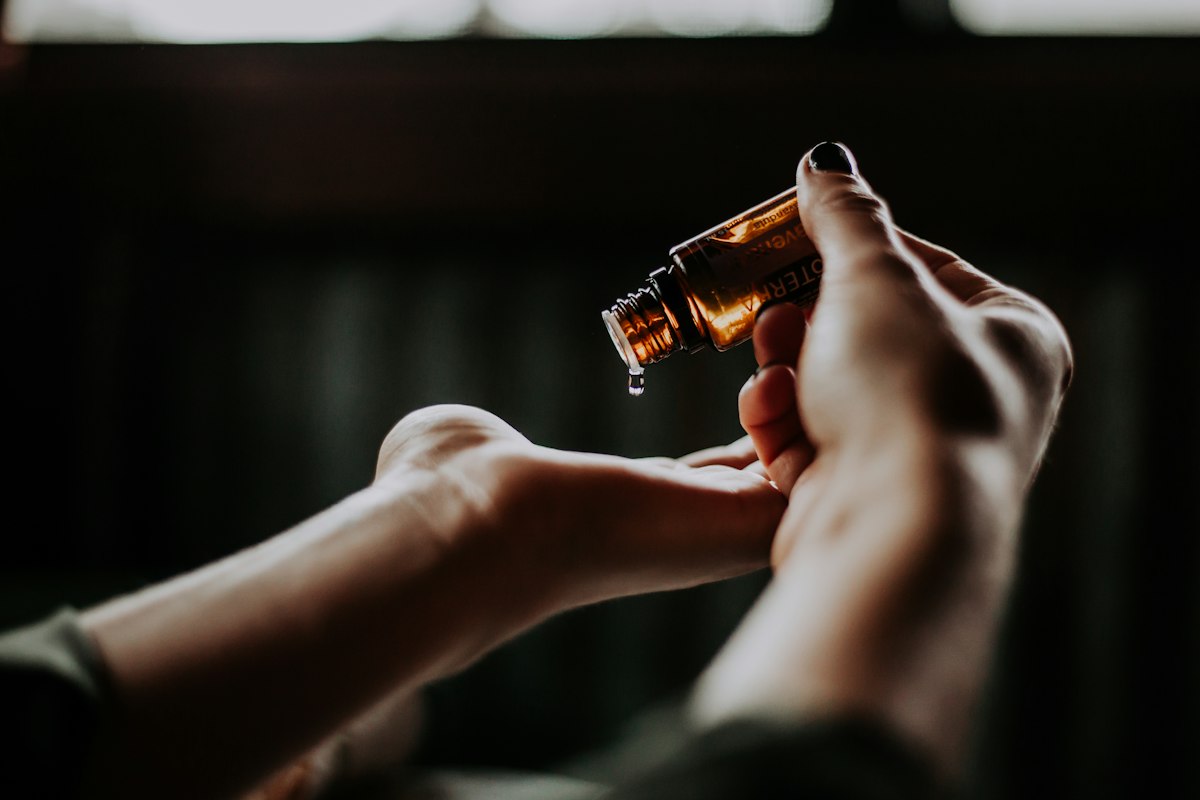
Skin is the largest organ in the body, and it is far more active than most people realize. It is not a covering that sits passively on the surface. It regulates temperature, keeps water in, senses the world outside and mounts immune responses to threats. Much of what skincare tries to do is either help the skin perform these jobs or undo the effects of something that has gone wrong.
Understanding how the skin works makes the claims of cosmetics easier to judge. It also explains why a simple routine often beats a complicated one.
The three main layers
The skin has three main layers. The outermost is the epidermis, the layer that can be seen and, to a limited extent, touched. Beneath it is the dermis, a thicker layer of connective tissue that gives the skin its strength and elasticity. Below that is the hypodermis, a layer of fat and connective tissue that insulates the body and cushions it.
The epidermis is itself made of several sublayers. The deepest is where new cells are produced. As those cells move upward, they change, flatten and eventually die. By the time they reach the surface, they are dead cells packed with a protein called keratin. This process of renewal takes roughly a month, though it slows with age.
The dermis is where the structures that give skin its character are found. Collagen provides strength, elastin provides the ability to stretch and recoil, and a network of blood vessels supplies nutrients and helps regulate temperature. Hair follicles, sweat glands and oil glands all sit in the dermis.
The barrier
The outermost part of the epidermis is the stratum corneum, and it is the skin’s most important protective structure. It is often described as a wall of bricks and mortar. The dead skin cells are the bricks, and the lipids between them are the mortar. Those lipids are mainly ceramides, cholesterol and fatty acids.
This arrangement keeps water inside the body and keeps many substances outside. It is selectively permeable, which means that some things can pass through while others cannot. The barrier is also slightly acidic, with a pH of around 5, which discourages the growth of harmful microbes.
When the barrier is healthy, the skin feels comfortable and looks smooth. When it is damaged, water escapes more easily and irritants get in. The result is dryness, tightness and sensitivity. Many skin problems involve a barrier that is not working as it should.
Cell renewal
The skin is constantly replacing itself. Cells are born in the deepest layer of the epidermis and move upward over several weeks, changing as they go. At the surface, they are shed, usually in a way that is invisible.
This renewal is why the skin can recover from minor damage, and it is why treatments that increase cell turnover can change the appearance of the skin. Retinoids and exfoliating acids work partly by speeding up this process, removing dead cells more quickly and revealing newer ones underneath.
The rate of renewal slows with age and with certain conditions. When dead cells are not shed efficiently, the surface looks dull and rough, and pores can become blocked. Much of the job of a gentle exfoliant is to help a process that the skin is already trying to carry out.
Collagen and elastin
Collagen is the most abundant protein in the body, and it gives the skin its structure. It can be thought of as a framework that holds everything in place. Elastin is a related protein with a different job: it allows the skin to stretch and return to its shape.
Both are produced by cells in the dermis called fibroblasts. Their production declines with age, and they are damaged by ultraviolet light and by other forms of stress. The loss is gradual, but over decades it changes the way the skin looks: it becomes thinner, less firm and more prone to lines.
This is why collagen is such a common word in skincare marketing. The reality is more complicated than a cream replacing what the skin has lost. Applying collagen to the skin does not build collagen in the dermis, since the molecule is too large to get there. What some ingredients can do is signal the skin to make more of its own, or protect what is already there.
Oil and sweat
Sebaceous glands produce sebum, an oily substance that coats the skin and hair. Sebum helps keep the surface supple and provides a degree of protection against microbes. The glands are more active in some areas, particularly the face, the chest and the back, which is why those areas are more prone to oiliness and acne.
Sweat glands produce a watery fluid that cools the body as it evaporates. Sweat and sebum together form a thin film on the surface, and the balance between them affects how the skin feels. A person with very dry skin may produce little of either; a person with oily skin may produce a great deal of sebum.
Hormones have a strong influence on sebum production, which is why oiliness changes at puberty, during the menstrual cycle and at other times of hormonal change. This is one reason that skin type is not fixed for life.
Pigment
Melanin is the pigment that gives skin its colour, and it is produced by cells called melanocytes in the epidermis. Its main job is to absorb ultraviolet light and protect the DNA in skin cells from damage. The amount and type of melanin produced determine how dark the skin is and how it responds to the sun.
Everyone has roughly the same number of melanocytes; the difference in skin colour comes from how much melanin they make and how it is distributed. Melanin production increases after sun exposure, which is what causes tanning. A tan is a sign that the skin has been damaged and is trying to protect itself.
Pigmentation problems arise when melanin is produced unevenly. Sun damage, inflammation and hormonal changes can all lead to areas of darker colour, and this is what brightening ingredients try to address.
What the skin does
The skin’s jobs extend well beyond appearance. It is a barrier against the outside world, keeping water and essential substances in and blocking many harmful agents. It helps regulate body temperature through sweating and the widening or narrowing of blood vessels. It contains nerve endings that sense touch, pressure, pain and temperature. It is part of the immune system, with cells that identify and respond to invaders. It also produces vitamin D when exposed to sunlight.
These functions are mostly invisible, which is why they are easy to overlook. A person notices the skin when it looks or feels wrong, but the organ is working constantly whether or not anyone is paying attention.
How it changes
Skin changes with age, with hormones, with the environment and with the way it is treated. Sun exposure is the largest external cause of change, producing wrinkles, pigmentation and a loss of elasticity over time. Smoking, pollution and repeated irritation also contribute.
The rate of change varies between people and between different areas of the body. Skin on the face is exposed more than skin on the rest of the body, and it tends to show age earlier. Skin that has been cared for gently tends to age better than skin that has been stripped and scrubbed.
The skin and the rest of the body
The skin reflects what is happening inside the body more than most people expect. Hormones change its oil production, illness can change its colour and texture, and nutrition affects its ability to repair itself. A person who is short of sleep or under prolonged stress may notice that the skin looks dull or breaks out, and the connection is real rather than imagined.
Conditions that affect the whole body often show up in the skin. Diabetes, thyroid disease and nutritional deficiencies can all produce visible changes, which is why doctors sometimes use the appearance of the skin as a clue. This is one reason that a persistent change that does not respond to ordinary skincare is worth discussing with a medical professional rather than treating endlessly with creams.
The skin is also an organ of communication. It blushes, pales, sweats and bristles in response to emotion, and those signals are part of how people read one another. A role that is usually treated as purely cosmetic is tied to the nervous system and to the body’s overall state.
Caring for it
Most skincare advice reduces to a few principles that follow from the biology. Clean the skin without stripping its lipids, since the barrier depends on them. Protect it from the sun, since ultraviolet light causes more damage than anything else. Add moisture and lipids when the barrier needs help, and introduce active ingredients slowly so the skin can adapt.
A routine built on those principles supports the organ rather than fighting it. The skin is not a surface to be polished; it is a living structure with its own processes. The best skincare works with those processes and gives them what they need.