Beauty Rituals Around the World
From henna and oil massage to rice water and sauna, a tour of the ways different cultures care for the body.
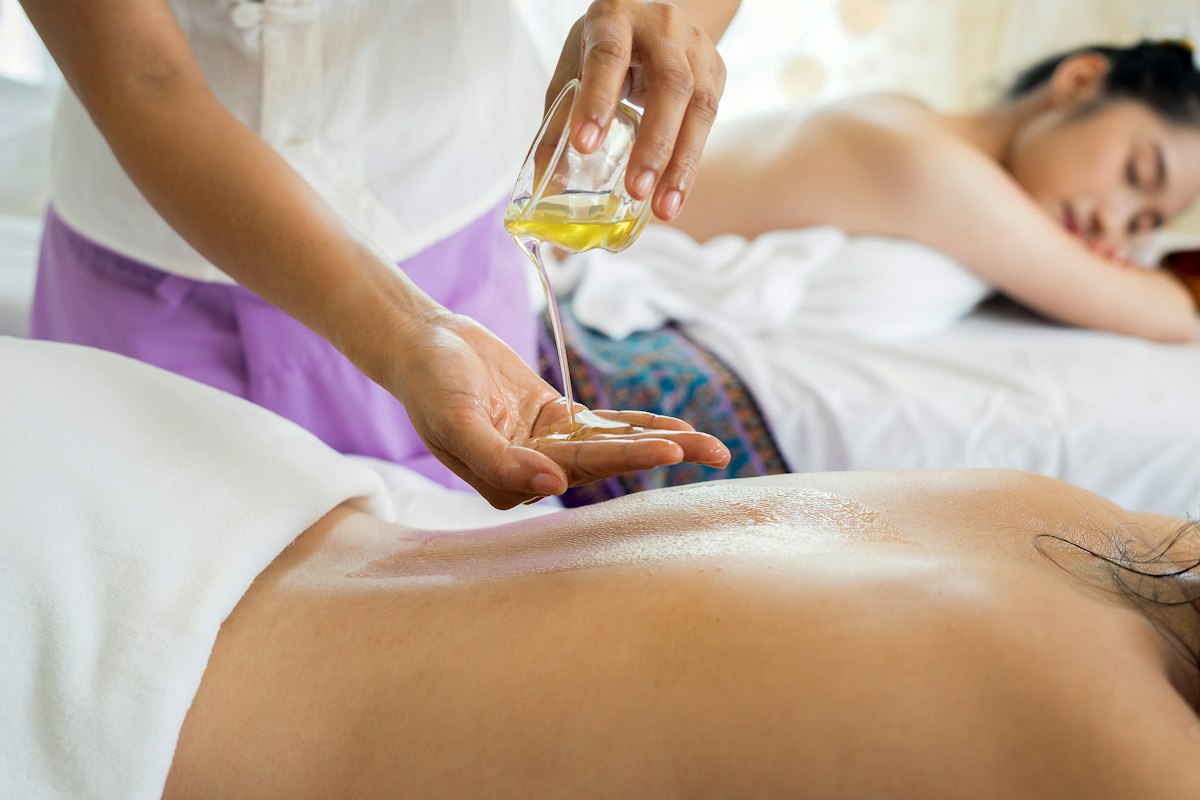
Every culture has developed ways of caring for the body, and many of those ways have survived for centuries. They are usually practical before they are decorative, shaped by climate, by available plants and by ideas about health. A ritual that began as a response to a dry climate or a hot season can become a cherished tradition.
Looking at these practices is a reminder that the modern skincare routine is one approach among many. The basic aims are widely shared: clean the skin, protect it, make it look and feel good. The methods differ, and some of them have lessons for a routine built in a different place.
Oil massage in South Asia
In India, the practice of oil massage, known as abhyanga, involves warming oil and applying it to the body before bathing. The oil is chosen for the person and the season, and the massage is slow and deliberate. The practice comes from Ayurvedic tradition, where it is understood as supporting circulation and the health of the skin.
The oils used include sesame, coconut and almond, often infused with herbs. In the dry northern climate, a layer of oil after bathing protects the skin from moisture loss. The practice is both a form of care and a moment of calm, and it is often passed down within families.
The modern idea of oil cleansing owes something to this tradition, even where the routes of influence are indirect. The principle that oil can clean and protect the skin is ancient in South Asia.
Henna and adornment
Henna is used across North Africa, the Middle East and South Asia to decorate the skin and colour the hair. The paste, made from the crushed leaves of the henna plant, stains the keratin of the skin and hair, and the pattern or colour fades over weeks.
At weddings and festivals, henna is applied to the hands and feet in elaborate designs. The practice is a form of adornment and a mark of celebration, and the skill of the artist is highly valued. For hair, henna colours gradually and is often combined with indigo to produce darker shades.
Henna has travelled widely and is now used by people who want a plant-based alternative to synthetic dye. Its persistence across so many regions is a measure of how well it works.
Rice water and East Asian routines
In East Asia, rice water has been used for centuries as a skin and hair rinse. It is said to make the skin softer and the hair shinier, and it appears in traditions in China, Japan and Korea. The practice reflects the importance of rice in the diet and the habit of using what is available.
Japan developed a detailed bathing culture, with a emphasis on cleanliness and order. The public bath, or sento, and the hot spring, or onsen, are social institutions as well as places to wash. The ritual of cleansing before entering the water is strict, and the bath itself is a time for rest.
Korea developed a multi-step skincare routine that has become influential around the world. The emphasis on layering hydrating products and on sun protection reflects a local ideal of clear, bright skin. The routine spread globally through social media in the 2010s.
Hammam and steam
The hammam of the Middle East and North Africa is a steam bath that combines cleaning, exfoliation and massage. A visitor moves through rooms of increasing heat, sweats, and is scrubbed with a rough glove known as a kessa. The scrub removes dead skin and leaves the body feeling smooth.
The practice has roots in the Roman bath tradition and was developed in the Islamic world, where ritual cleanliness is important. It is a social occasion as well as a form of care, and it remains a part of daily life in many places.
The Finnish sauna is a related tradition in a different climate. A session in the hot room, followed by a plunge into cold water, is understood to be good for the body and the mind. Both the hammam and the sauna show how heat and water have been used to care for the body in different parts of the world.
Plants and oils in the Mediterranean
Around the Mediterranean, olive oil has been used on the skin and hair for thousands of years. It appears in the routines of ancient Greece and Rome, and it remains a common ingredient. The practice is practical in a climate where the sun and dry air take their toll on the skin.
In France, the tradition of using flower waters and plant oils developed around the perfume industry of Provence. Rose water and orange blossom water were used to refresh the skin, and the habit continues in the form of facial mists.
The tradition of the spa, from the thermal waters of Europe, combines water, rest and treatment. Many of the ideas now sold as self-care have roots in these older practices.
Indigenous traditions
Many Indigenous cultures have their own traditions of care using local plants. In North America, plants such as sage and cedar have been used in cleansing rituals, and oils from seeds and nuts are used on the skin and hair. In Australia, Aboriginal communities use plants such as tea tree for their properties, a practice that has entered the wider market.
These traditions are often tied to a broader relationship with the land and with community. They are not simply collections of ingredients but part of a way of living. When such practices are adopted outside their original context, there is a question about respect and credit that the beauty industry has not always handled well.
What travels and what stays
Some rituals have spread widely. Henna, oil cleansing and the multi-step routine are now familiar across the world. Others remain local, tied to a climate, a community or a set of beliefs that does not translate easily.
When a practice travels, it usually changes. A ritual that took an hour and a community setting becomes a five-minute product on a shelf. The core idea survives, but the form is adapted to a different life. This is not necessarily a loss, though something is usually left behind.
Rituals and the seasons
Many traditional routines are built around the seasons. In cold weather, heavier oils and richer creams protect the skin from dryness and wind. In hot weather, lighter lotions, water and frequent cleansing take over. A routine that changes with the year is older than the idea of a fixed set of products, and it is more sensible than using the same thing regardless of the climate.
Some traditions mark the seasons with specific practices. In parts of the Middle East and South Asia, oil treatments before a festival or a wedding prepare the skin and hair for the ceremony. In East Asia, routines change with the humidity of summer and the dryness of winter. The products are chosen for what the weather is doing rather than for a permanent idea of skin type.
The modern market sells the opposite idea: a single routine, used year-round, built around a set of products. This is convenient, and it works well enough in mild climates. In places with harsh seasons, the older approach of adjusting the routine has something to recommend it.
Rituals and community
Beauty practices have often been social. Women have gathered to apply henna before a wedding, to bathe together in a hammam or to share recipes and techniques. The knowledge was held in a group and passed between generations, and the act of caring for oneself was also a way of being with others.
This social dimension has largely disappeared from the modern routine, which is usually private and solitary. A person watches a video alone and applies a product alone. Some of the appeal of a salon comes from the return of that social element, and the success of certain brands comes from the communities that form around them.
The loss is not total. Families still pass down routines, and friends still share advice. But the scale of the exchange has changed, and the knowledge now arrives through a screen as often as through a person.
The bottom line
Beauty rituals around the world share a few basic goals: clean the skin, protect it from the climate and mark important moments in life. The methods are shaped by what grows locally and by what each culture values. Looking at them shows that the modern routine is one version of a very old set of habits, and that many of its ideas were practiced somewhere else long before they were sold in a bottle.